Face-Off, Face-Off Man, FOGO, Lacrosse, Uncategorized

Head Review: Nike CEO

IMG_6573.JPG

In this head review I will go over the Nike CEO. I used this head very briefly for one summer, and it handed me great success. However, I stopped using it for multiple reasons that I will get to later.

This head is unique because of the way it bends. Unlike every other head on the market, the CEO bends like a soup ladle, rather than on an oblique angle. This is useful because after the head is properly broken in, the head clamps the ball perfectly every time and swallows the ball up. This means once u have secured more than half of the ball, your opponent won’t be able to get it back because the CEO will allow you to rotate over and swallow it up. This allows people who are slower off of the whistle to still have a chance of out rotating someone who is quicker than them. However, once the head is broken in it is very prone to cracking along sidewall holes, and then will eventually break. The head also warps forward so much it starts to look like a spoon, and ground balls become difficult.

The reason I stopped using this head is because it started to affect my technique. The way the head bends, made my elbow start flaring, and my left hand roll under when pro hopping and rotating. This is because your weight needs to press down on the ball to really swallow the ball in the throat. I also found trouble using the defensive and side door exit since I was loosing control of the ball while exiting. Overall many people use this head and love it, but it just wasn’t for me.

Check this out for more: https://www.lax.com/lacrosse-equipment/nike-ceo-lacrosse-head

IMG_9800.JPG

Face-Off, Face-Off Man, FOGO, Lacrosse, Uncategorized

Head Review: STX Duel

IMG_5405.JPG

This blog post is dedicated to talking about face-off heads that I have used and like. In this blog I will talk about what I like and dislike about this particular head and recommend what style of player it fits, and other heads that are similar.

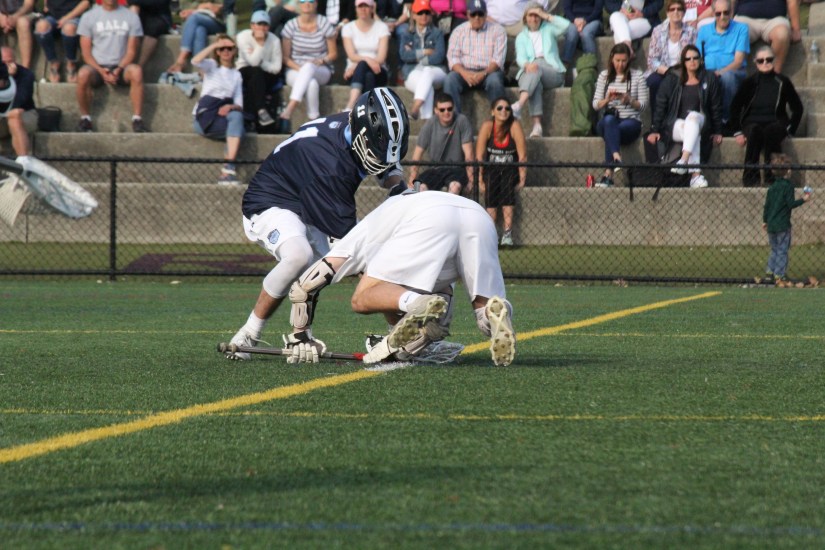
The STX Duel is currently the head that I use and fell in love with. This head revolutionized the face-off game, adapting to the new rules. The short throat of the duel allows you to have your head closer to the throat of the stick. This slight advantage gives you the ability to get your gloves under the ball rather than someone who uses a Nike CEO who has their hands far away from the throat of the stick. This for me is huge, even though it is such a little difference.

The Duel also bends on an oblique angle which allows you to wrap your head around the ball easily, and will allow you to use whatever exit you desire. Like most face-off heads, I personally believe the Duel’s oblique angle bend is better than others in the market. The soft type of plastic it is made out of is perfect for people who need to grind out 50/50 battles, and for those who just swipe and Pinch and Pop. The head is not as easy to break in, however once it is broken in and the kink is formed on the sidewall, it is awesome.

The only negative I would say about this head is the amount of stringing holes on the sidewall. This doesn’t give people many options to string the head how they want, but it gets the job done. The head is also super durable and I haven’t cracked one and its been through the gauntlet and back. It does severely warp and pinch after time, but the softball or hockey puck can help.

Overall great head, my favorite, would definitely recommend.

Check This out for more: https://lacrosseunlimited.com/stx-duel-u-lacrosse-head-white.html

IMG_0211.JPG

Face-Off, Face-Off Man, FOGO, Lacrosse, Uncategorized

Best Drills: Rotating

IMG_3228

This blog post will focus on some of the best drills that will help you rotate better, leading you to win more 50/50 battles.

From personal experience over the years, I have come to learn some useful drills that will help you rotate better. Since this is the worst facet of many peoples games, these drills can greatly improve your game.

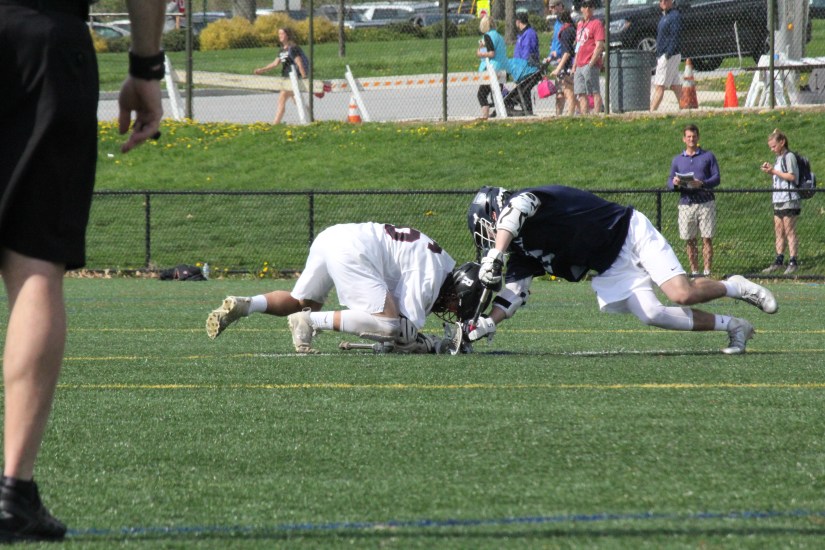
The first drill is the simple screw drill. In this drill, by yourself you get in your stance and rotate on your own speed three times around the ball fully. Then after five of those start to exit with the ball, switching from forward, defensive, and side door exits.

The next drill is the power clamp drill. In this drill you get in your stance and react to a whistle and rotate 90 degrees from your stance.

Another drill is called the teepee drill which involves you and a partner. You each start half clamped on the ball, then when the whistle blows you each start rotating trying to win the whole clamp.

Hope this helps check this out to help: https://www.youtube.com/watch?v=AM0y27biYmo


IMG_2626.JPG

Face-Off, Face-Off Man, FOGO, Lacrosse, Uncategorized

The Importance of Wing Play

IMG_0222.JPG

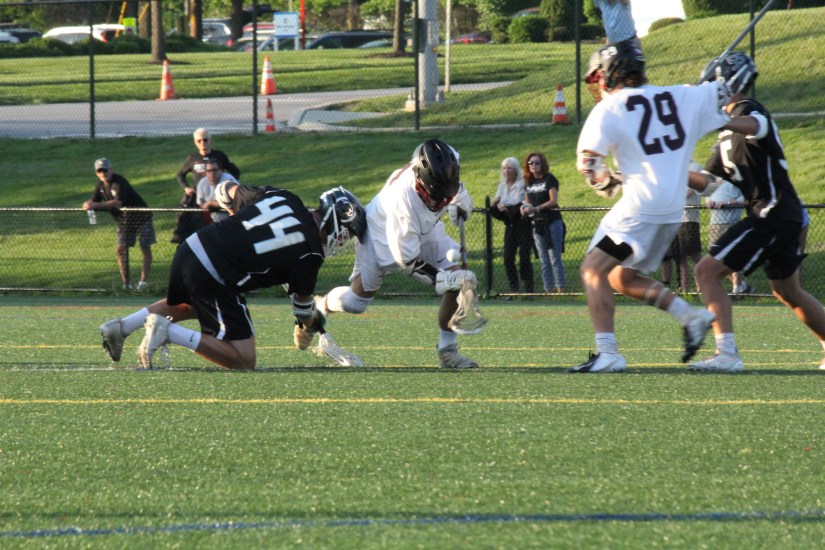
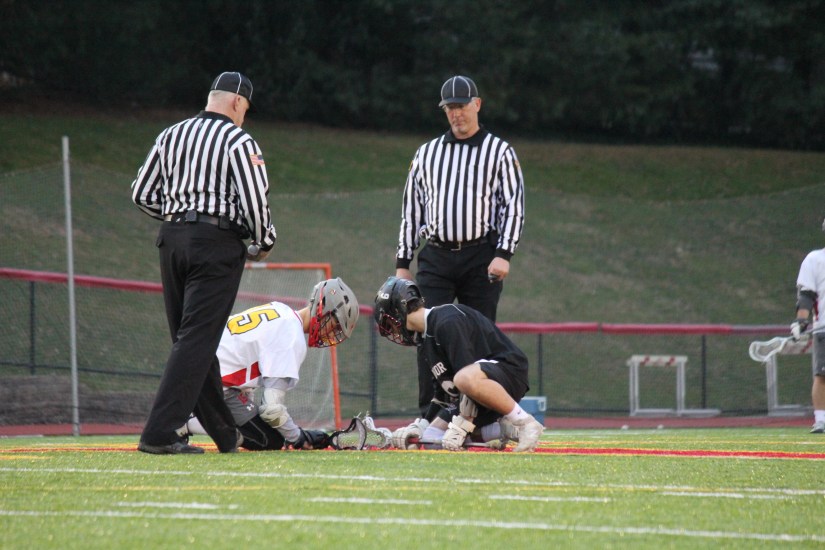
This blog post is all dedicated to wing play, and how to properly incorporate wings into a face-off. Having good wings who know how to read and react to a face-off can make all the difference during loose 50/50 ball. Teaching the wings how to read a face-off is a good start, and working on their positioning. Having your long pole follow the opponents butt end and having your middie follow your butt end, will help them be in the right positioning to pick up ground balls. Also communicating with your wings when opponents lock them off or leave them open, can help you decide where to exit and pull the ball out.

IMG_2666.JPG

Uncategorized

Exits and Techniques

IMG_1467.JPG

In this blog post I will break down some of the basic exits I use in games, and when and why I use them, and how you should incorporate them into your gameplay.

That being said the first exit, and the most common is the Pinch and Pop (PNP). By far the most popular exit and the most practiced. The PNP is great to use when you are battling against someone you are beating clean off of the whistle, and blowing right by them. This gives your team the opportunity of fast break goals. The PNP is obviously the main goal, because of the opportunity to create easy fast break offense.

This brings us to the next exit, called the defensive exit or the D exit. This is used when the PNP is no longer working or available. After a while after multiple PNPs the other team will send out a longpole or a defensive middie to just stop a fast break from happening. Thus if you can’t exit out of the front, you must turn to the back. While after clamping the ball and realizing the opponent is cutting off a break, rotate backwards with the clamp boxing out the opponent creating space to pop the ball and maintain possession.

Another common exit is the Side Door exit. This is a creative exit which can be used very similarly like the D exit. This move instead of completely going out the back you open up to your right and exit there away from the pole, creating space for a clean pop.

If you are interested in more check out these: https://www.youtube.com/watch?v=AM0y27biYmoIMG_0889.JPG